Resources
The Nez Perce Wallowa Homeland strives to offer meaningful support for tribal members and residents of Wallowa county in the interest of preserving the land, nurturing traditions, and fostering positive connections between Native peoples and other local communities.
Recommended Reading
Remember to keep an open mind. Any book only offers perspective and can't be assumed to be the "real story." Every author's story reflects the reality of their own experience. As is the case with all aspects of human history, we can only seek to understand, realize that there is more information omitted than included, and strive to learn from the past - both the good and the bad.
-
McWhorter references interviews with Nez Perce and available documents to tell pre-War stories of Nez Perce origins, their battles with other Indians, of missionaries and treaties and then of the War.
-
A re-evaluation of what was thought to be known about Lewis and Clark west of the Bitterroot Mountains. Incidents take on a new light when the historical lens is reversed. Pinkham and Evans evaluate what Lewis and Clark understood and what they misunderstood of the Nez Perce lifeway and political structure, while also exploring the Nez Perce reaction to the strangers.
-
The encyclopedic account, beginning in 1805, of the settlement of Oregon and Washington as it relates to the Nez Perce people.
-
A chronological account of the last years of Indian tenure and first years of white occupation of the Wallowa Country. Includes some early photographs and hand-drawn maps.
-
Drawing on four years of research, interviews, and 20,000 miles of travel, Nerburn narrates the trail toward Canada, the non-treaty Nez Perce’s eight-year exile in Indian Territory, and their ultimate return to the Northwest. Explores the complex character of Joseph, showing how the man was transformed into a myth by a public hungry for an image of the noble Indian and how he leveraged the myth to pursue his goal of returning his people to their homeland.
-
First printed in 1940, this book provides an Indian’s first-hand account of the Nez Perce War. McWhorter walked the battles with Yellow Wolf, a War participant, recording his description of events.
-
While many books have been written about Chief Joseph and the Nez Perce, Native accounts of the famous Nez Perce War of 1877 are extremely rare. Thus, this manuscript, known as the "Cash Book," by an unknown member of Chief Joseph's band sheds important light on the Nez Perce view of the war and its participants.
-
This is the century old diary of a young white boy who lived in the Nez Perce camp of Chief Joseph following exile to Colville, WA. Erskine’s father, aide-de-camp to General O.O. Howard, befriended Chief Joseph and sent his son to live with Joseph & his wives in their teepee at Nespelem, WA, for two seasons in 1892 & 1893.
-
Joseph’s speeches from when he traveled to Washington, D.C. Firsthand, his words.
-
A collection of essays about people and places around the county, includes a few details of early settler interaction and understanding of the Nez Perce.
-
This book provides a look into the lives and contributions of Nez Perce women as they’ve worked to maintain their families and communities in times of great change. It includes unique individual accounts recorded directly from personal interviews with Nez Perce women ranging in age from 20 to 90. The narratives, in combination with a broad selection of photographs, present some major historical, political, and cultural changes.
-
Details, stories and quotes exploring the role of fish in Nez Perce life.
-
Horace Axtell, a contemporary Nez Perce elder and spiritual leader, recounts to Margo Aragon his family's history and his own personal journey. It is a book about growing up Christian while maintaining a strong tribal identity, about going first to war and then to prison, and then coming home to rediscover the Long House and the sacred practice of the Seven Drum Religion and the Sweat House.
-
A diverse collection of biographies and photos of Nez Perce artists.
-
Writings by members of the Nez Perce tribe on the perspectives of past Nez Perce leaders.
-
This ethnogeographic atlas of Native place names presents a compelling account of interactions between a homeland and its people. A project of the Tamástslikt Cultural Institute at the Confederated Tribes of the Umatilla Indian Reservation, composed of the Cayuse, Umatilla, and Walla Walla Tribes in eastern Oregon, Cáw Pawá Láakni documents and describes more than four hundred place names.
-
Often when Native nations assert their treaty rights and sovereignty, they are confronted with a backlash from their neighbors, who are fearful of losing control of the natural resources. Yet, when both groups are faced with an outside threat to their common environment―such as mines, dams, or an oil pipeline―these communities have unexpectedly joined together to protect the earth.
-
A dual biography of Chief Joseph and General Oliver Otis Howard. Describes the political and social landscape of the post-Civil War reconstruction period that brought about Howard’s transition from a champion for the rights of freed slaves to an architect of the dispossession and subjugation of the Nez Perce.
Food Access Guide
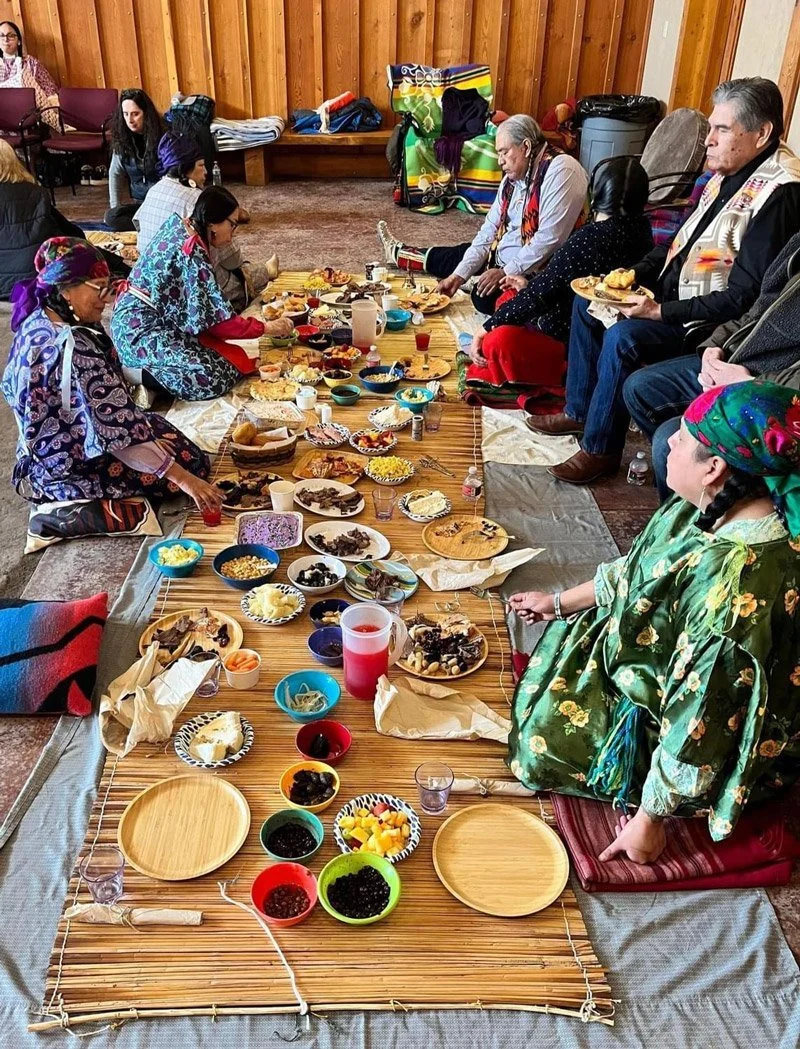
Food insecurity affects people across lines of heritage, culture, and race. The Nez Perce Wallowa Homeland partners with a range of local organizations in eastern Oregon, from food banks and pantries to services offering delivery to seniors, farmers markets providing locally sourced produce, and more.
If you’re affiliated with a food access organization and would like to be included in this resource, please contact us.
Programs for Youth
-
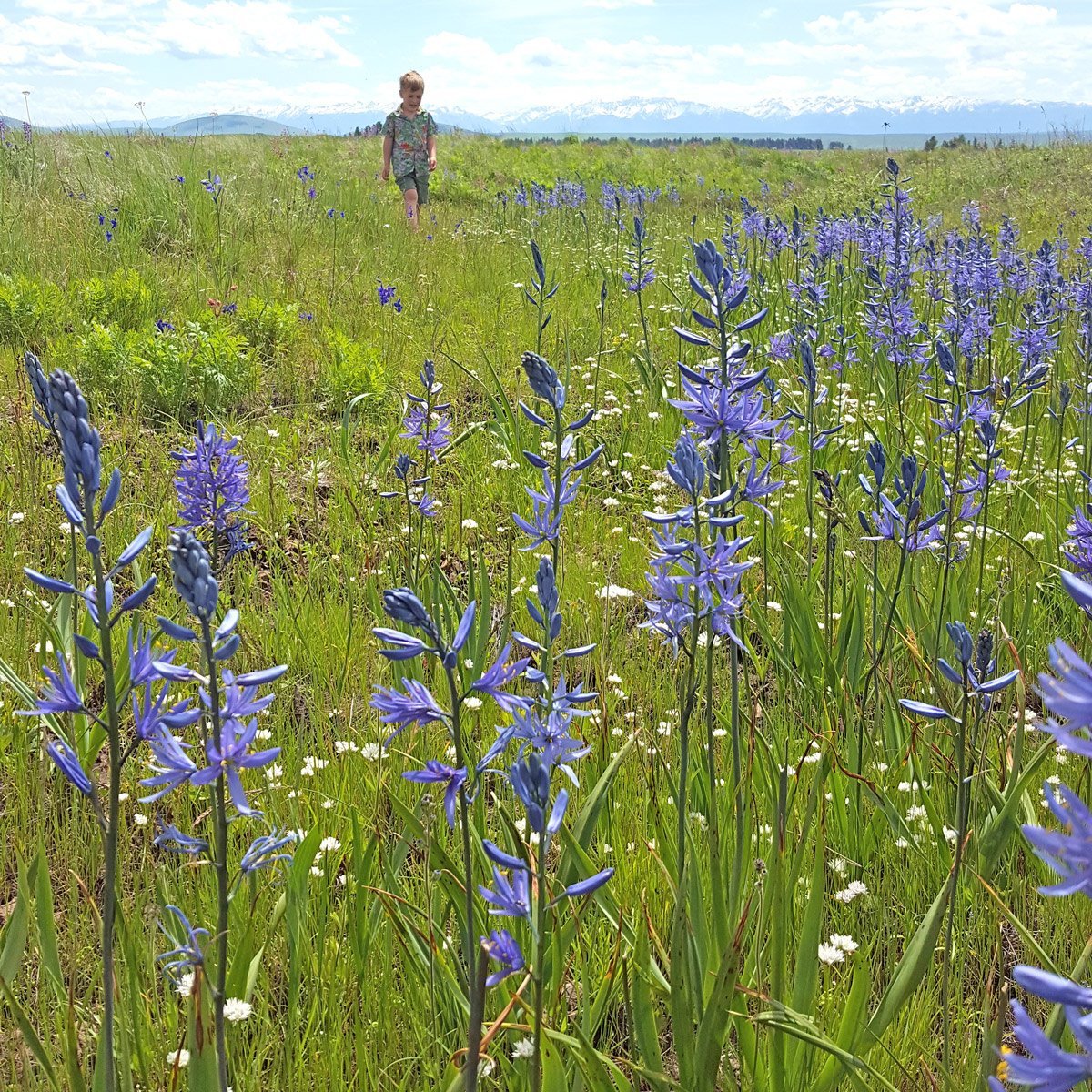
Earth Day Activity
Celebrate Earth Day by teaching children about how the Nez Perce people cared for the land in the Wallowa Valley for thousands of years.
-
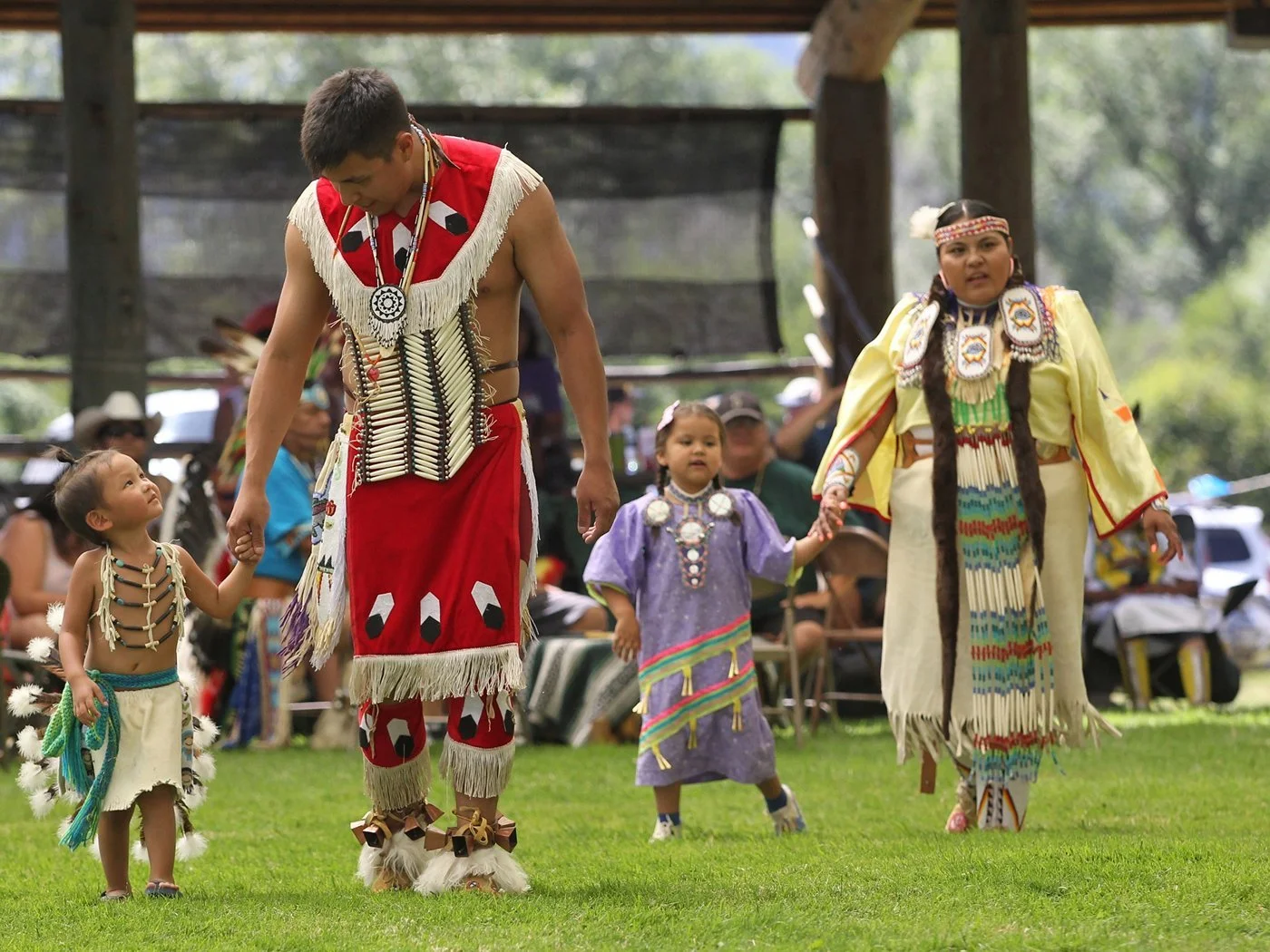
Nez Perce Storytelling
Learn how storytelling has served as the primary mode of passing down culture, tradition, and values among Native peoples.
-
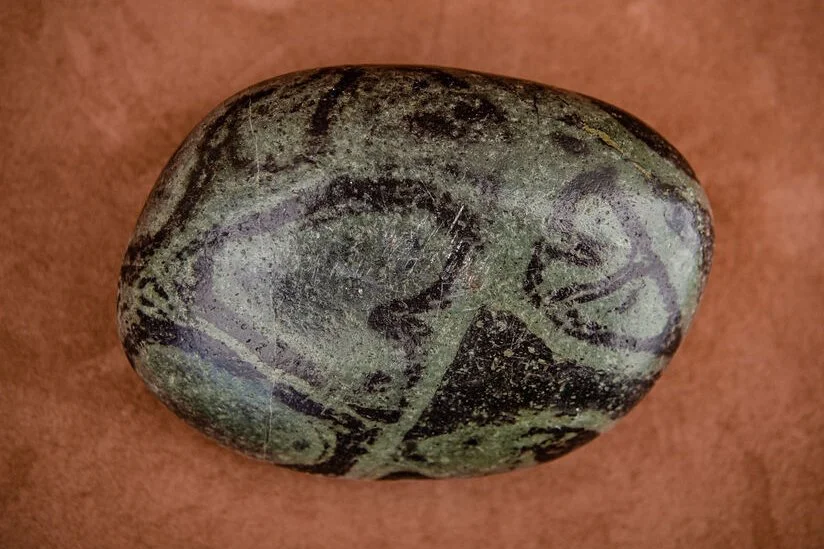
Píswe Stone Activity
Help kids learn about the history of Nez Perce peoples by sharing the history of tools made from stone and making your own traditional trail marker.