Tamkaliks Celebration
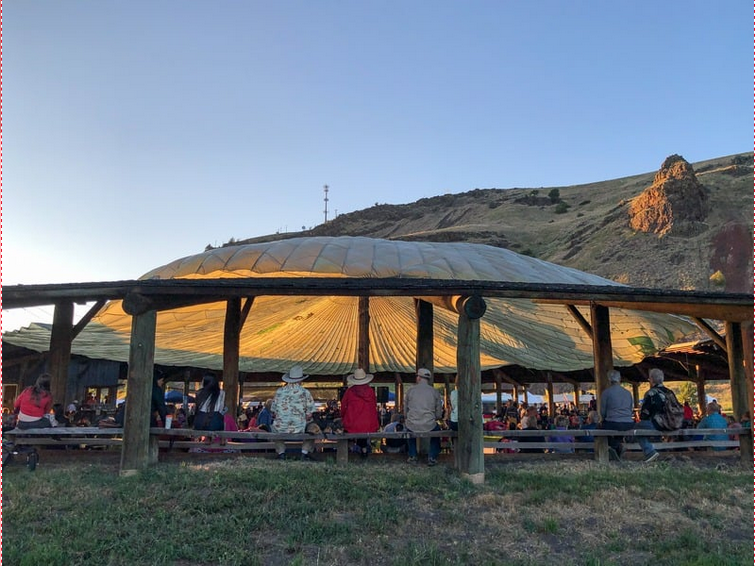
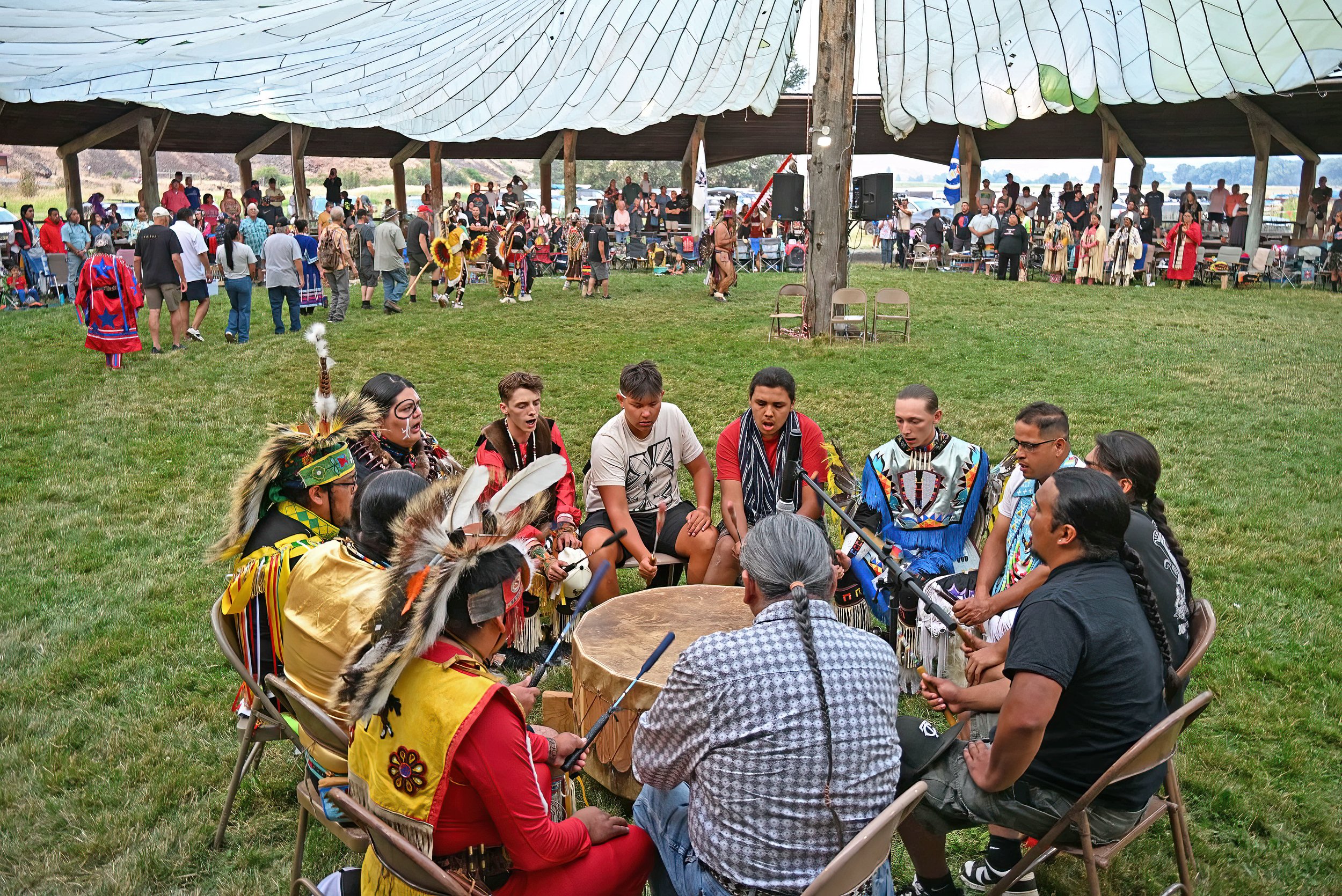
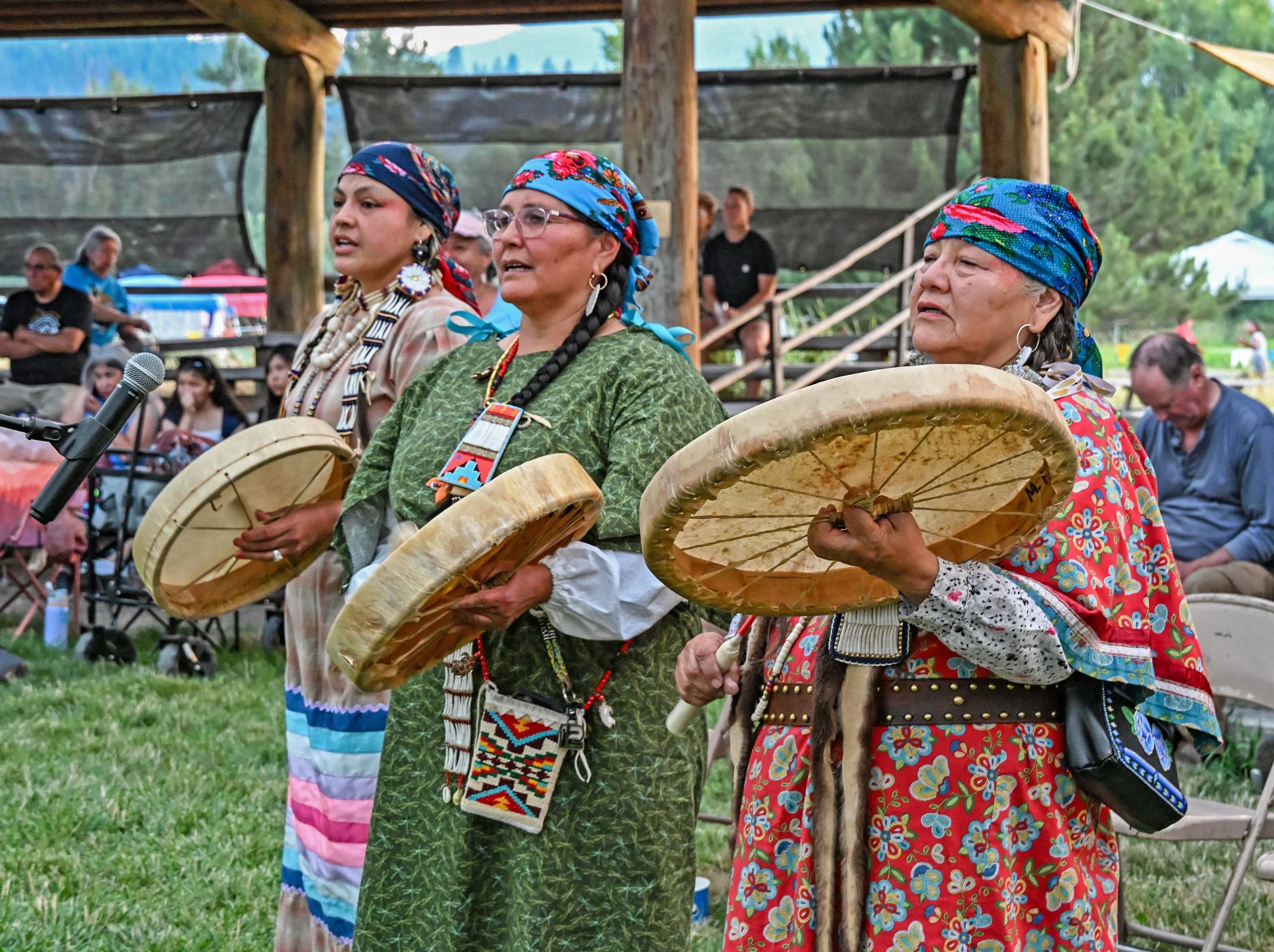
Each July, the Homeland becomes a place of reunion for descendants of the original inhabitants of waláwa during this three-day celebration of song and dance, culminating in a walasit service and friendship feast.
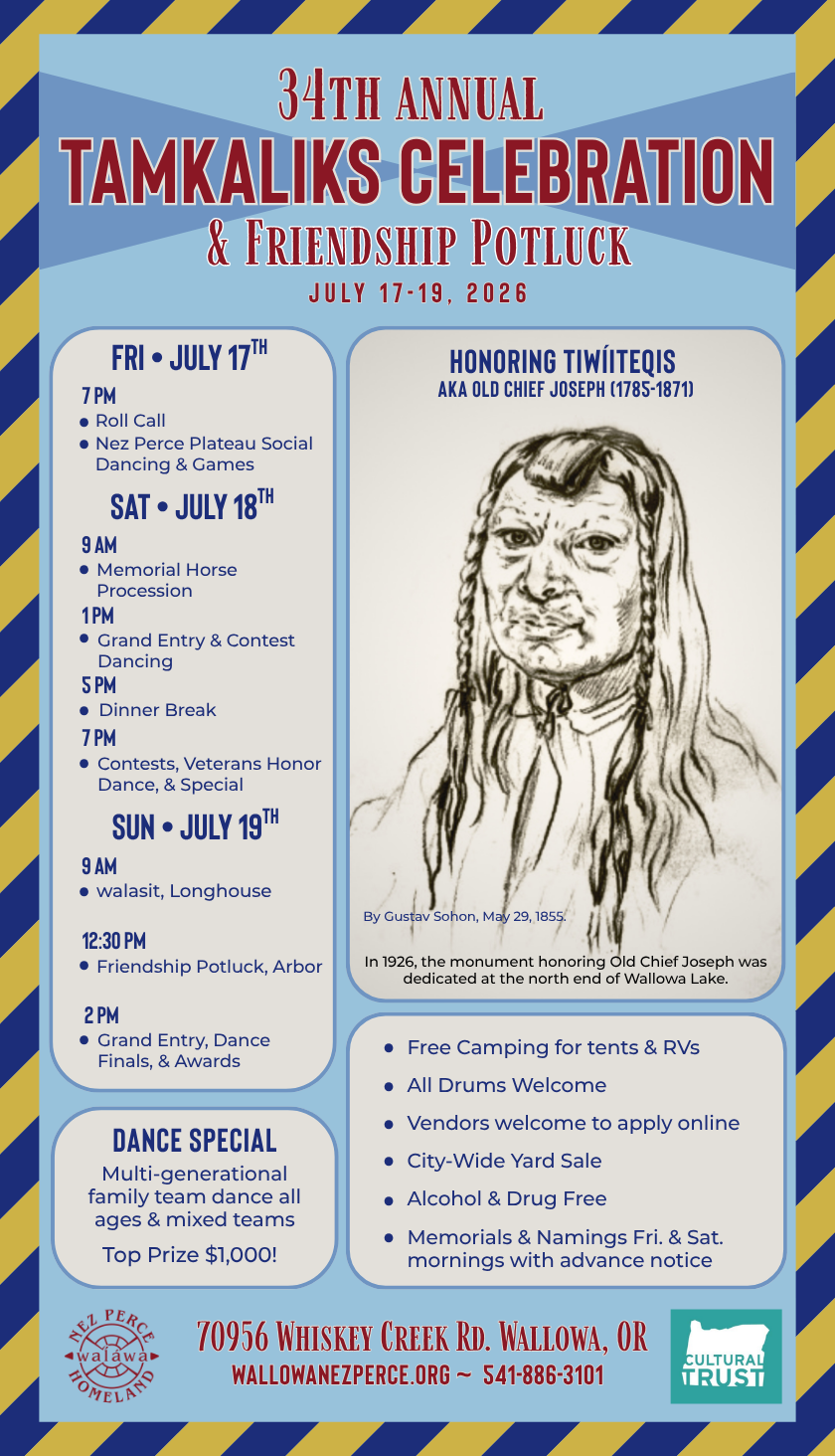
July 17-19, 2026
Tamkaliks 2026 Schedule
Friday, July 17
7:00 PM – Roll Call, Nez Perce Plateau Social Dancing & Games
Saturday, July 18
9:00 AM – Memorials & Horse Procession
1:00 PM – Grand Entry & Contest Dancing
5:00 PM – Dinner Break
7:00 PM – Contest Dancing, Veterans Honor Dance & Dance Specials
Sunday, July 19
9:00 AM – Walasit Service, Wallowa Longhouse
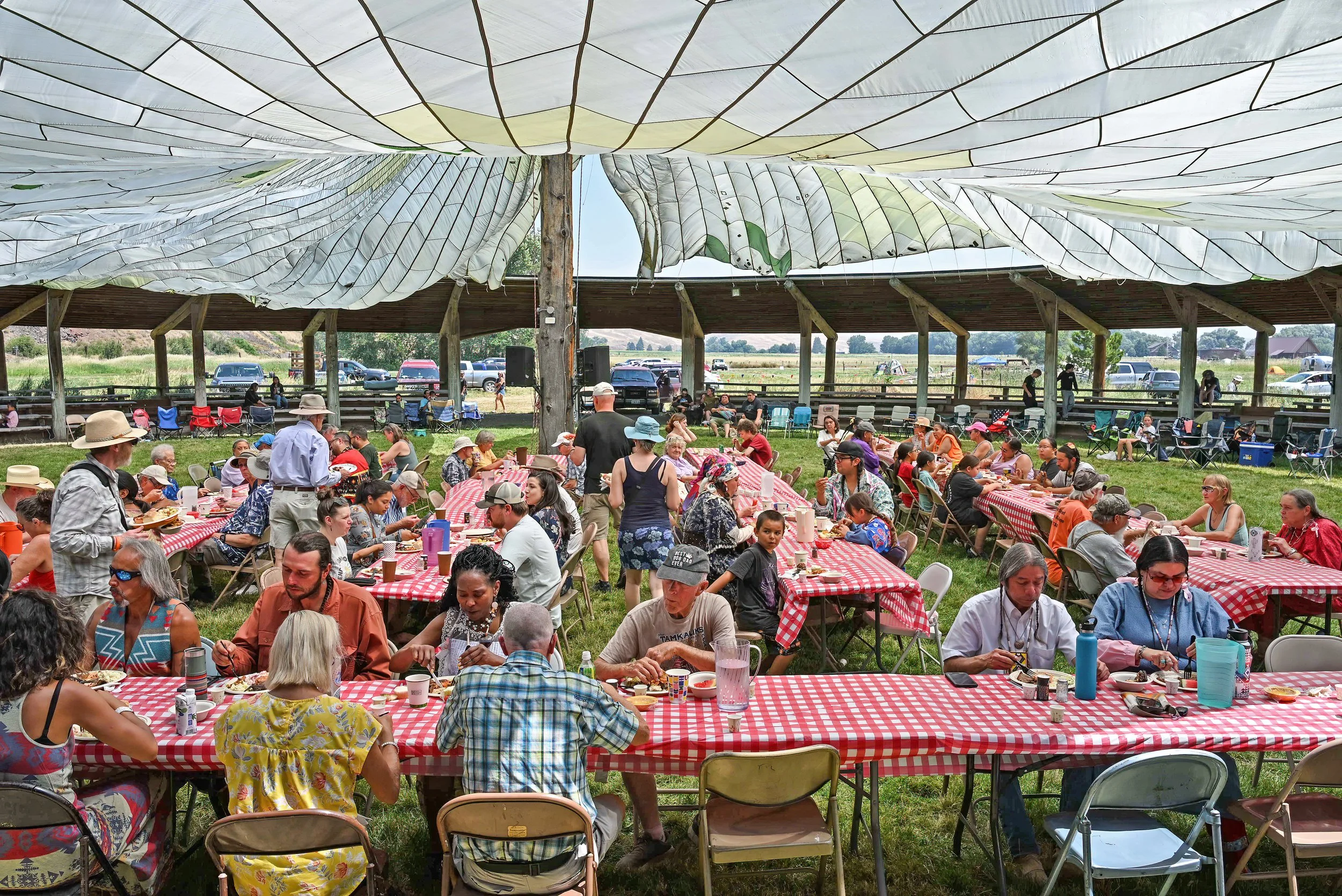
12:30 PM – Friendship Potluck, Dance Arbor (Bring a dish to share.)
2:00 PM – Grand Entry, Contest Dance Finals & Awards
About Tamkaliks
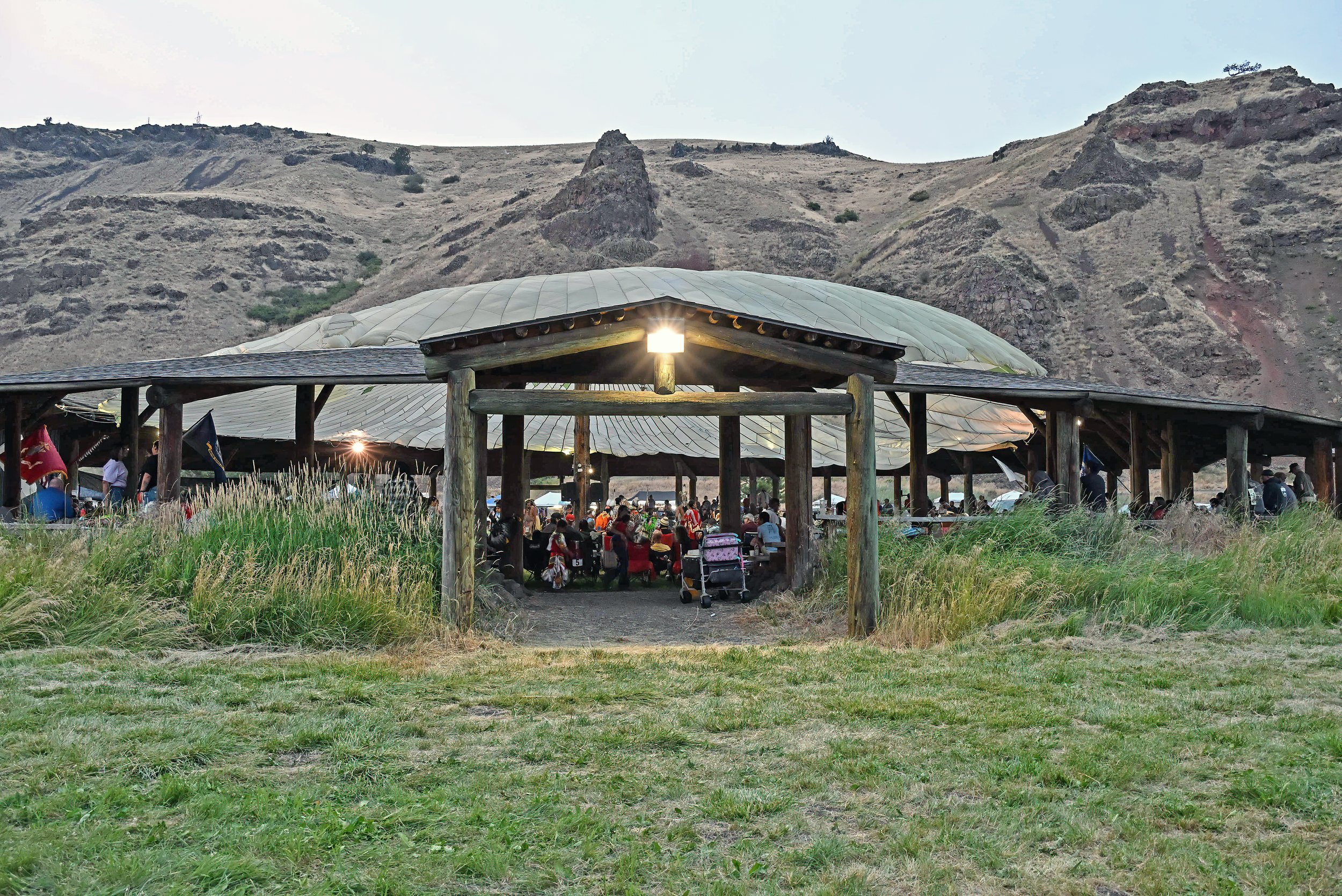
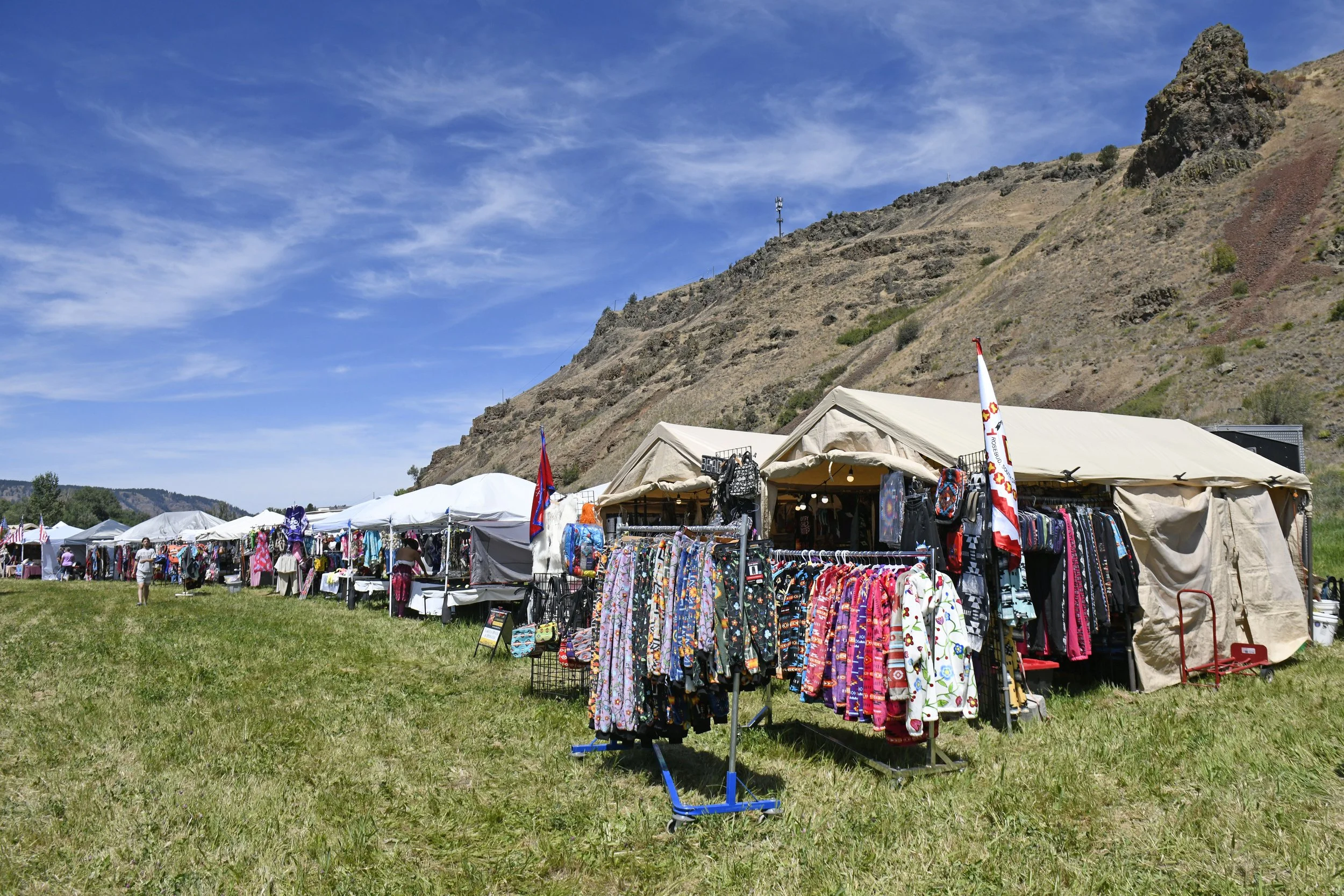
Each July, the Homeland becomes a place of reunion for descendants of the original inhabitants of waláwa, the Wallowa country. Year after year, participants enjoy three days of song and dance, culminating in a walasit service and Friendship feast. Descendants, locals, and visitors attend together. There are many ways to be involved, contribute, and enjoy. Camping and dancer registration is free. Winners and drums are paid in cash. Big ticket raffle items include a buffalo hide and a Pendleton blanket each year. Food and craft vendors are plentiful. All the comforts of town are just a quick walk across the river.
Tamkaliks Celebration & Friendship Feast
Tamkaliks is a three-day celebration of Nez Perce culture, community, and homecoming, held each July in Wallowa, Oregon. For more than thirty years, Tamkaliks has welcomed Nez Perce descendants back to their ancestral homeland, creating a space for reunion, reconnection, and cultural celebration.
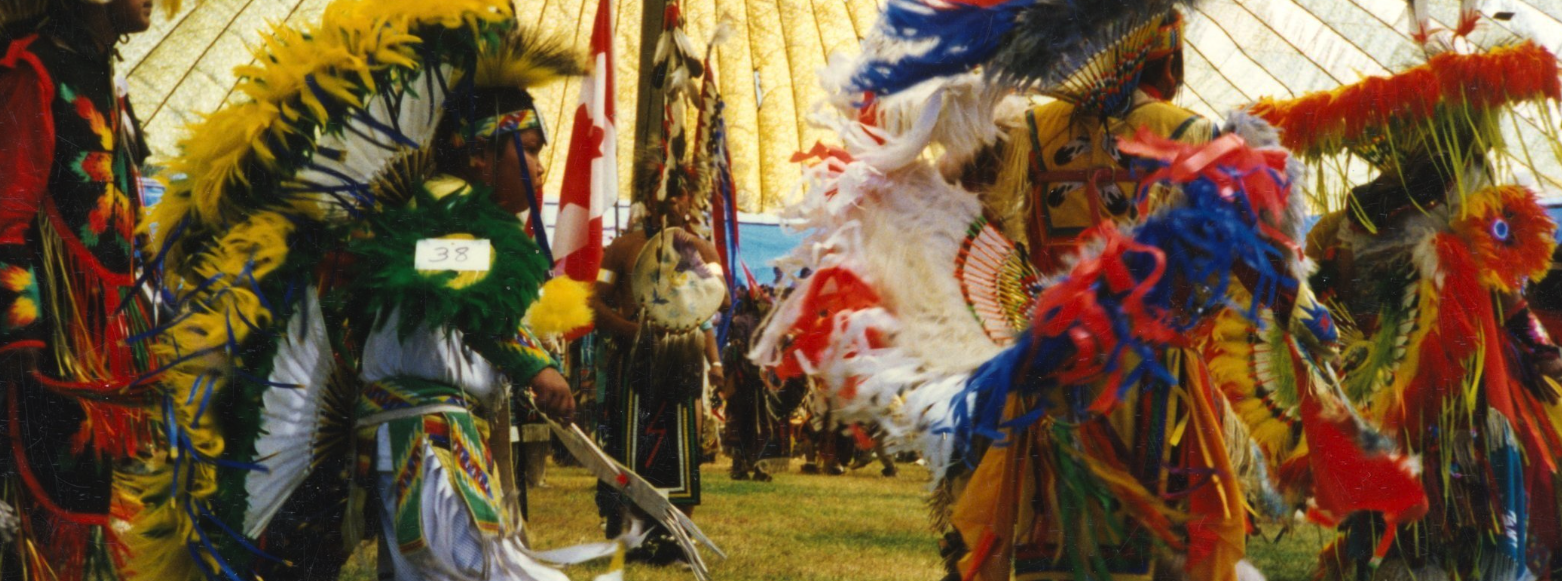
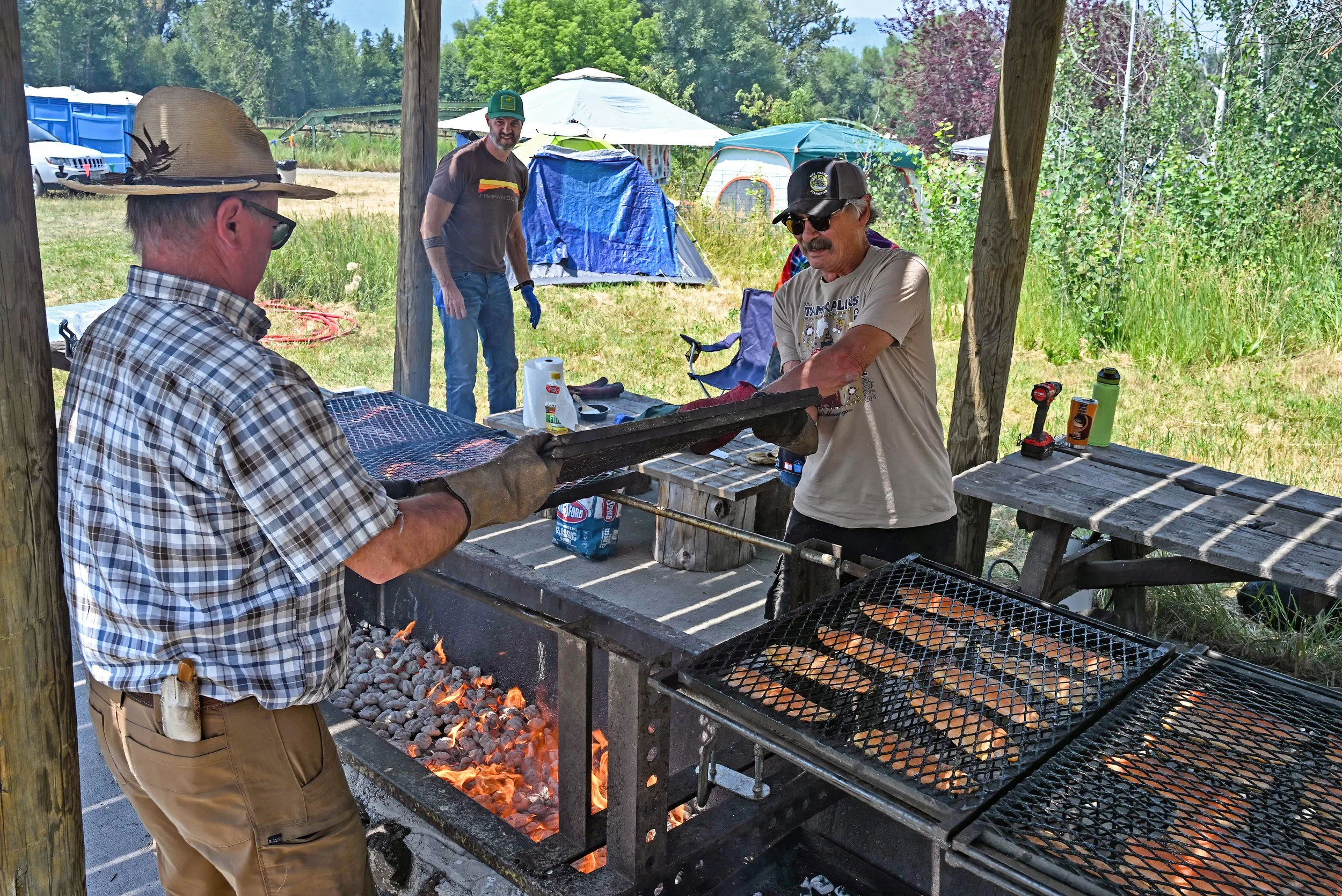
The event features a vibrant powwow with a Grand Entry, traditional dance contests, memorials, and family-hosted specials. The weekend concludes with a Sunday walasit service at the Wallowa Longhouse, followed by a Friendship Feast where all are invited to share a meal together.
Camping and dancer registration are free, and all drums are welcome. Raffle prizes, craft vendors, and a variety of foods make Tamkaliks a festive and memorable celebration. This alcohol- and drug-free event is family friendly and open to everyone. Tamkaliks is more than a powwow—it’s a homecoming, a time when nimiipuu drums, songs, language, and people come back together and are welcomed home.
Tamkaliks: Beginnings
In 1990, a group of Wallowa community members and Nez Perce descendants came together to create a gathering where present-day inhabitants of the Wallowa Valley and the descendants of the Wallowa Band Nez Perce could reconnect and celebrate.
The first powwow and feast took place at the Wallowa school gymnasium. It was a monumental event—a long-overdue reunion for the dispersed Nez Perce people and a celebration for all.
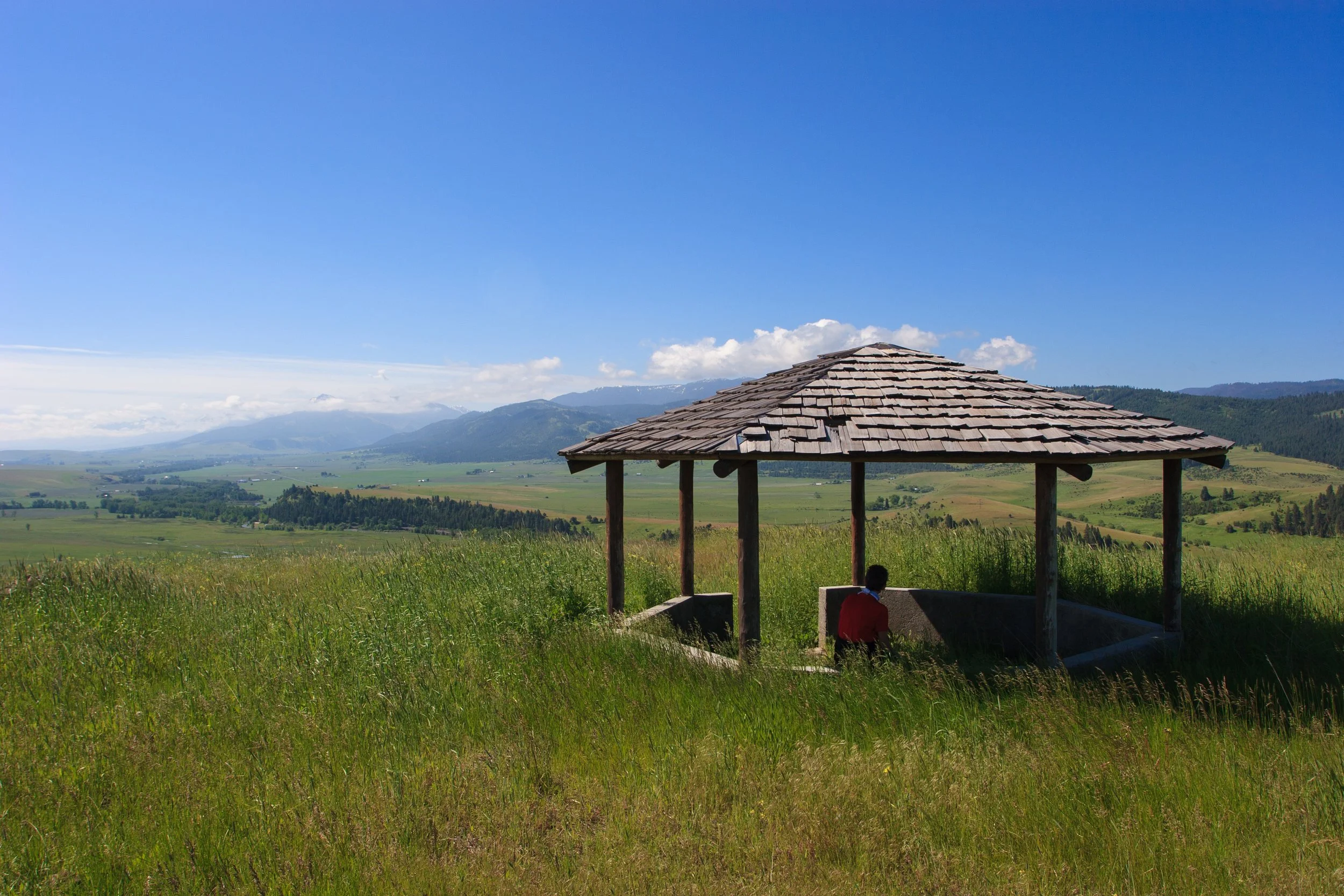
In 1998, thanks to the dedication of volunteers and the generosity of many supporters, the celebration moved to its permanent home at the Nez Perce Wallowa Homeland grounds. That same year, the event was named Tamkaliks, a word in the nimiipuu (Nez Perce) language meaning “from where you can see the mountains.”
Powwow History
To outsiders, a contemporary powwow may look like entertainment—but its origins are deeply rooted in resilience. Beginning with the 1883 Code of Indian Offenses, U.S. law criminalized many Native ceremonies, including powwows and dances, which were forced underground and often held in secret.
Despite these restrictions, Native communities persisted—quietly gathering to preserve their songs, dances, and spiritual traditions. With the lifting of prohibitions in the 1930s, powwows became public once again, and have since grown into cultural gatherings that serve as powerful reminders of survival, identity, and the importance of coming together to carry forward traditions.
Powwow Etiquette
Please review the attached Powwow Etiquette Guide to support respectful attendance and participation. Your presence is welcome, and your respect for the space, people, and traditions is deeply appreciated.
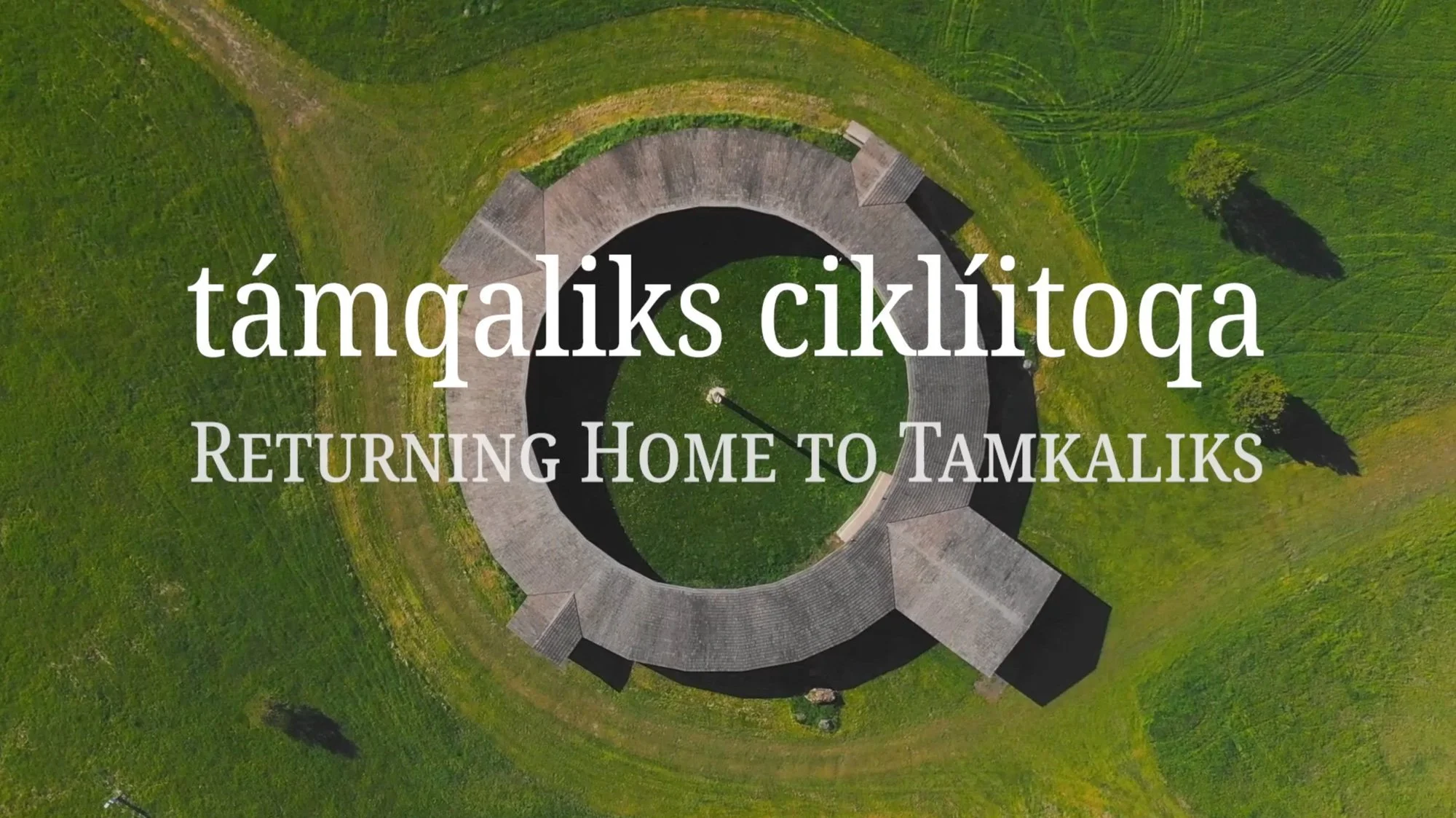
History in the Making: A Tamkaliks Film Project
History in the Making: A Tamkaliks Film Project is a short documentary project about the Tamkaliks Celebration and what it represents for the Nez Perce and Wallowa communities. It features interviews with key originators of the event and shines a light on the contributions of Earl “Taz” Conner, a descendant of Old Chief Joseph and curator of the idea for the powwow. The film captures “The Return”: from the first powwow in 1990, climaxing with the 2022 Tamkaliks Celebration when the people came together after three long years separated by a pandemic, and continuing with what this story means for the future of our communities.
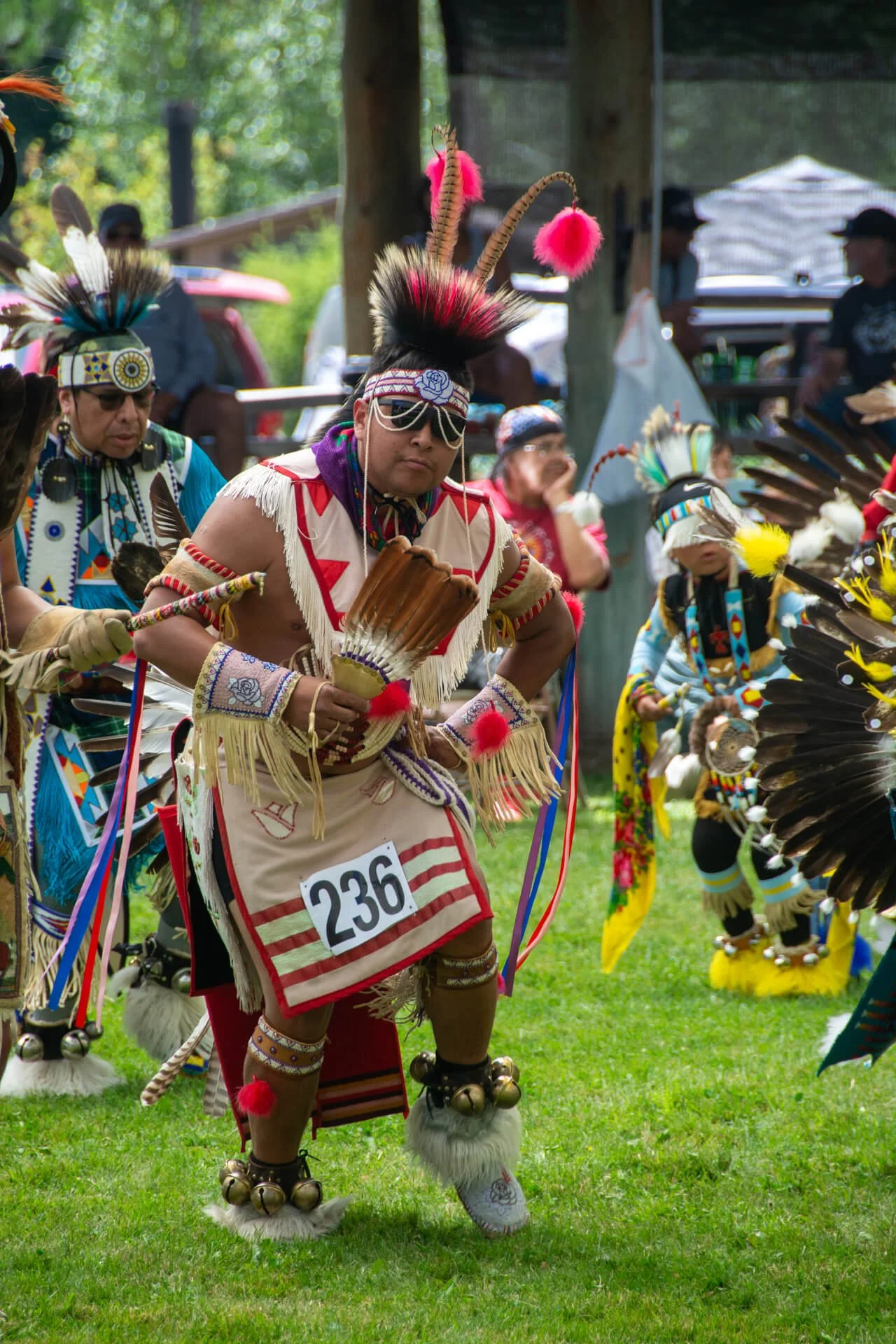
Photo Credit: Daniel Patterson
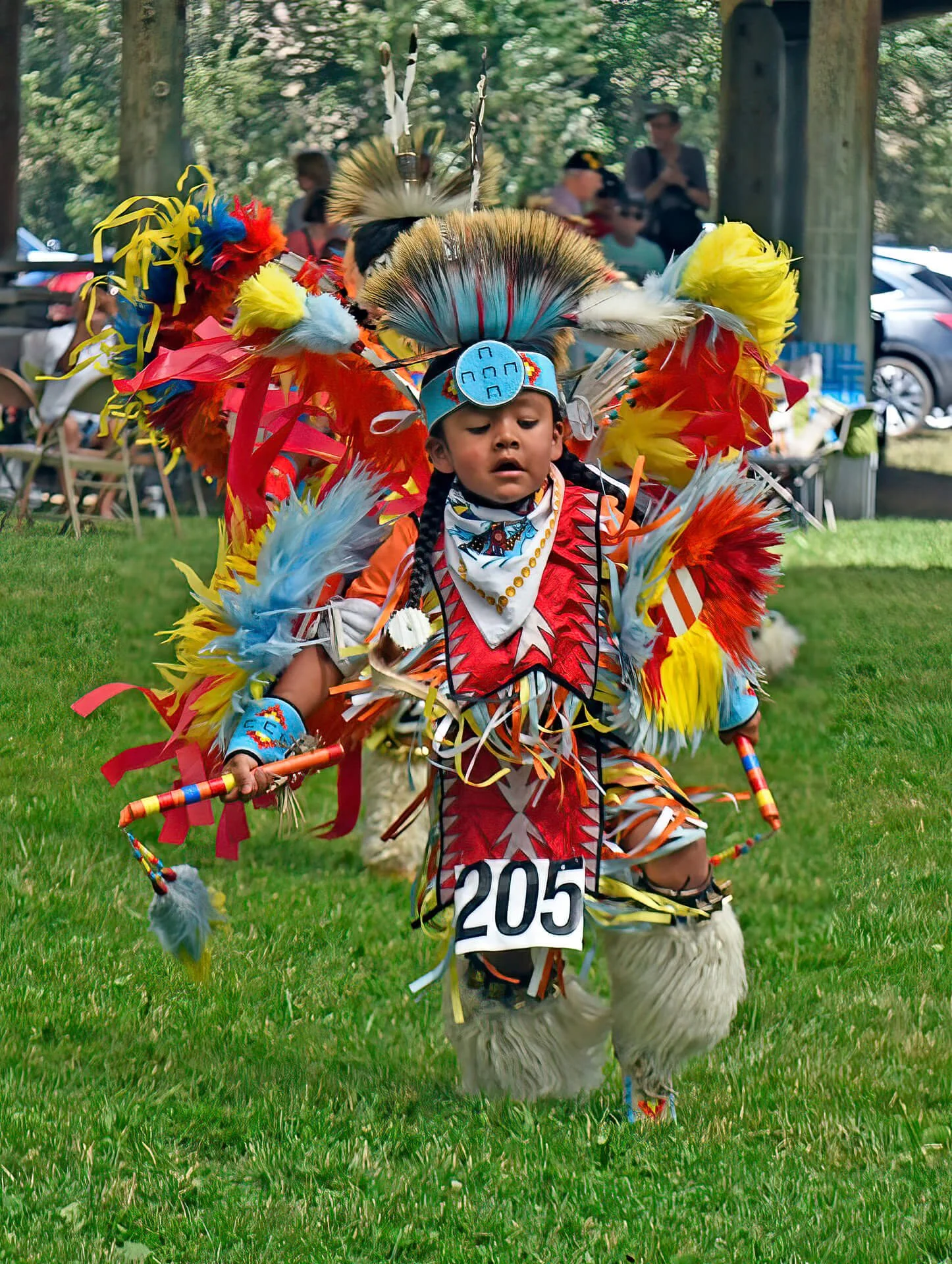
Photo Credit: Roger Averbeck
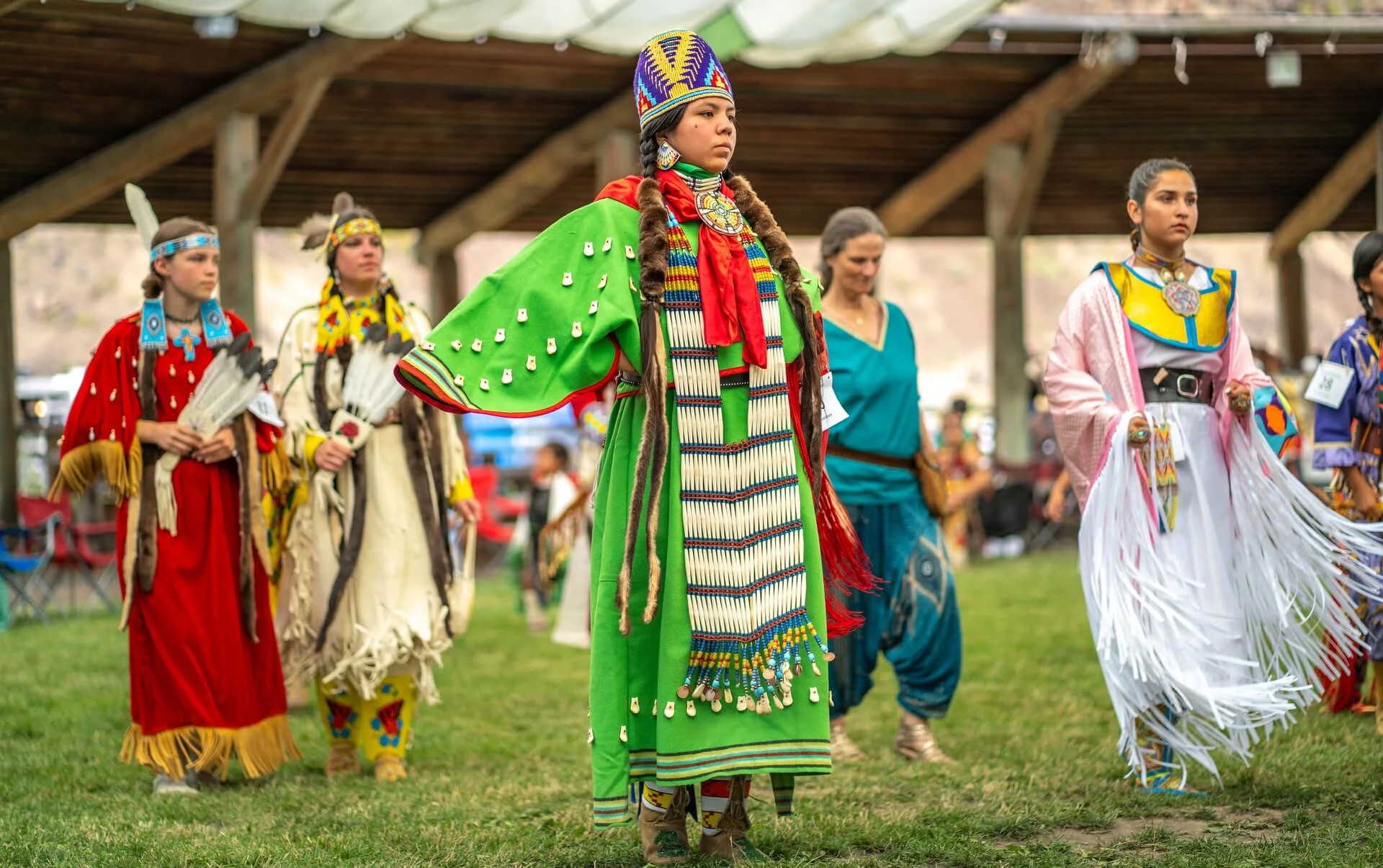
Photo Credit: Angela Dietrich
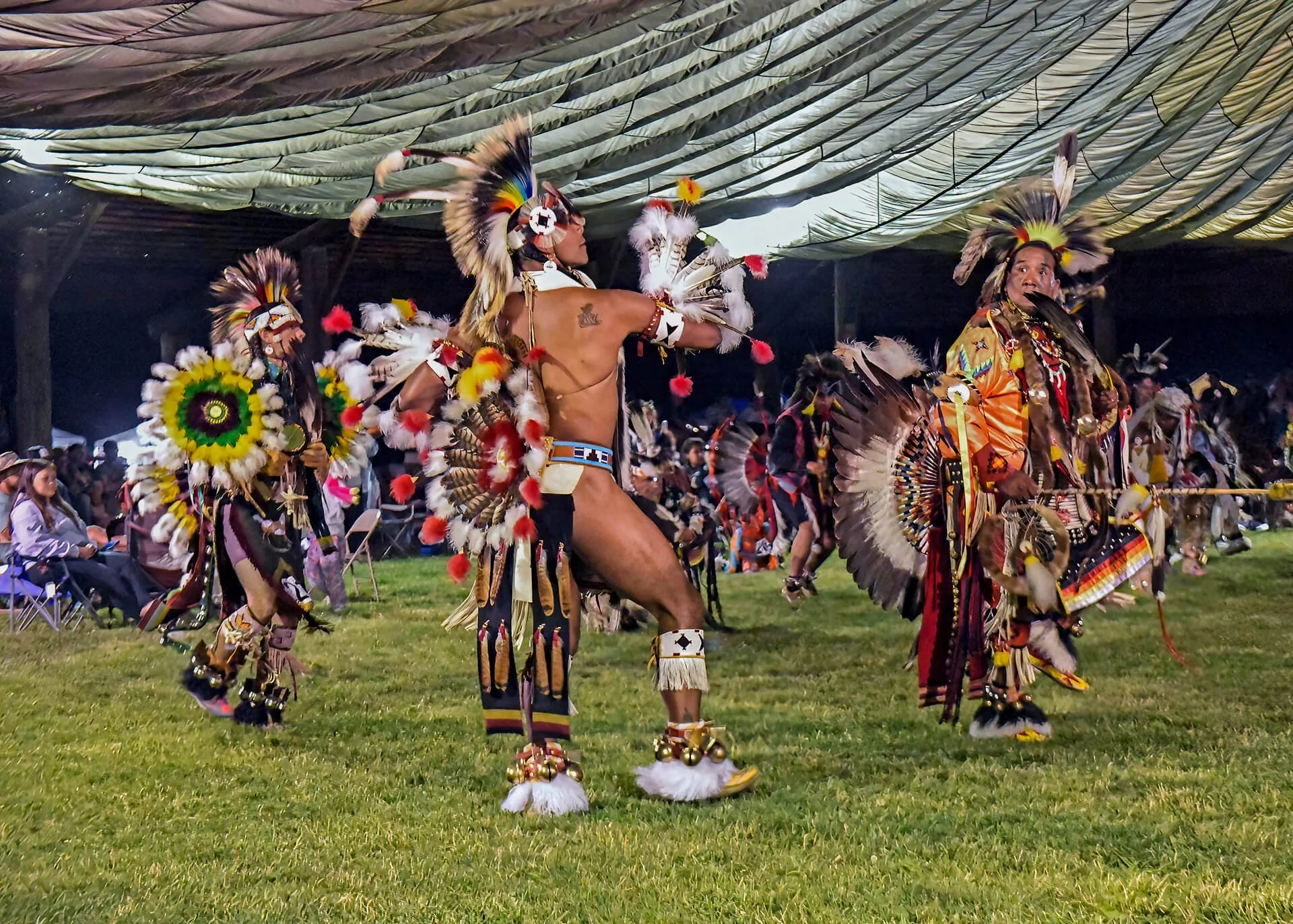
Photo Credit: Roger Averbeck
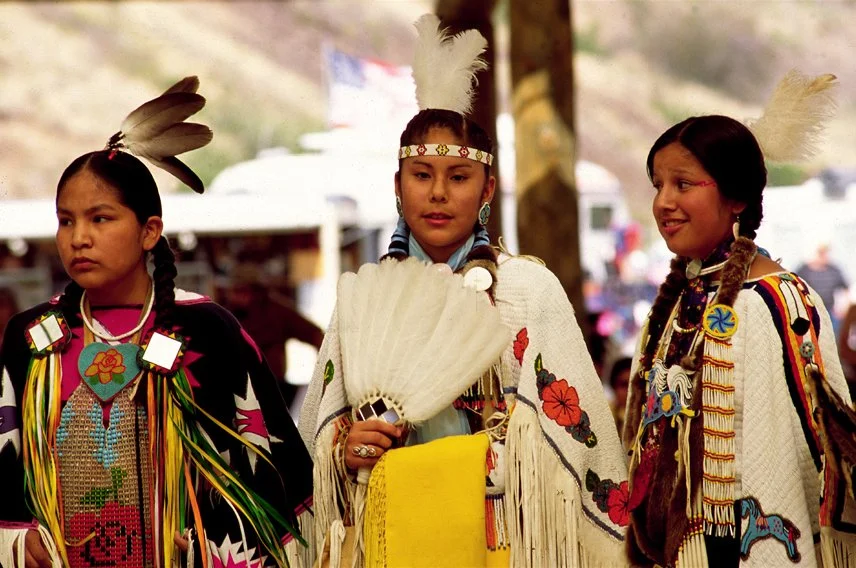
Photo Credit: Joe Whittle
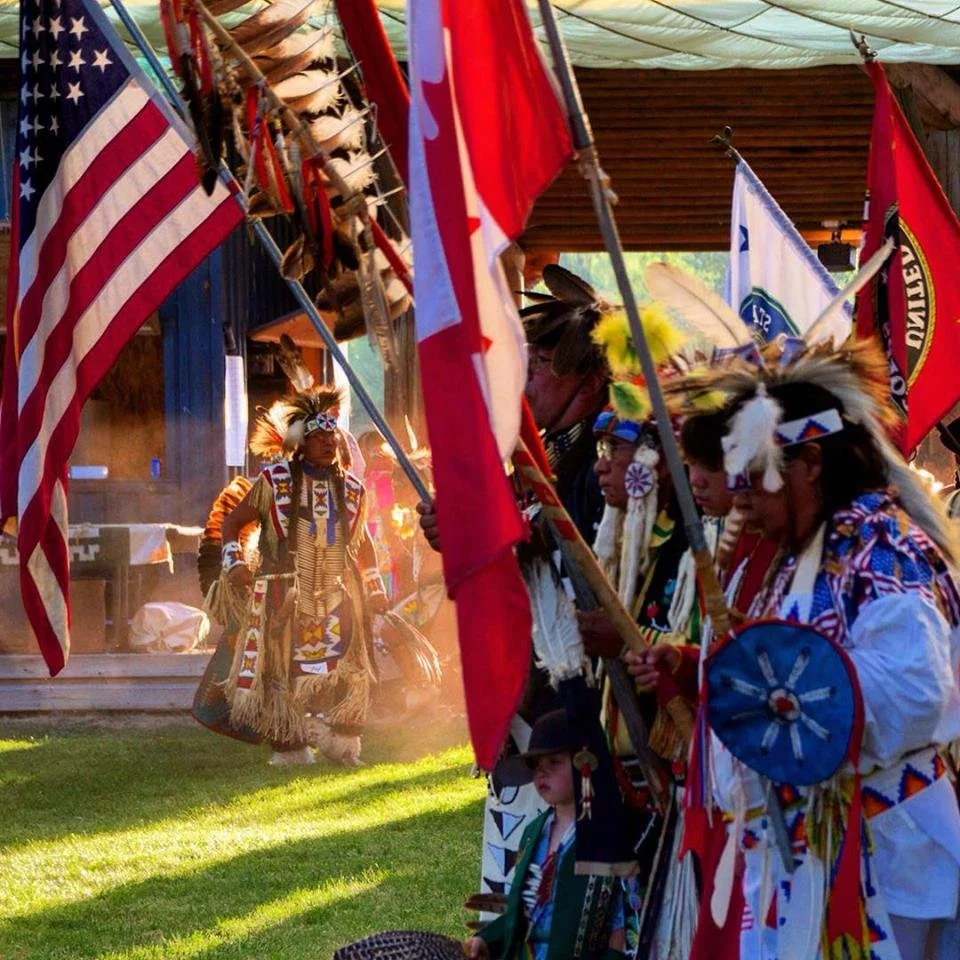
Photo Credit: Joe Whittle
Support the Tamkaliks Celebration
-
Buy Tamkaliks Merch
2026 Shirts available at the Visitors Center!
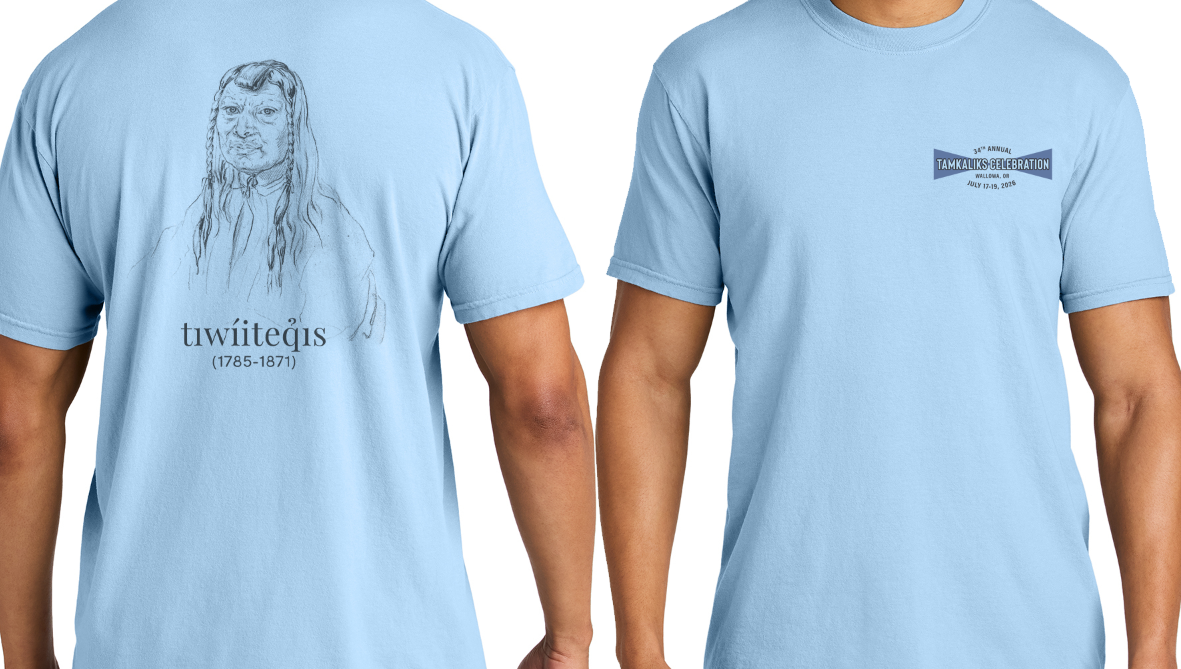
Tamkaliks merchandise is available for purchase on-site during the celebration. We update designs every year, and items often sell out — come early to see what’s new!
Photo: Blue 2026 Tamkaliks shirt featuring tiwiteqis aka Old Chief Joseph.
-
Become a Sponsor
For many years, the Tamkaliks Celebration has been supported by individuals, families, businesses, and other organizations that help sustain the event and its programming. Click to learn more about becoming a sponsor.
Tamkaliks Scholarship Program
CLOSED for 2026
The Tamkaliks Celebration Committee, in partnership with local families and organizations, is proud to offer five $1,000 scholarships to support students in their educational goals while promoting cultural understanding and honoring the mission of Tamkaliks.
Preference will be given to students who have volunteered with or participated in activities aligned with the Tamkaliks vision.
Available Scholarships
Taz Conner and Terry Crenshaw Memorial Scholarship
Jo Hallam Family Scholarship
Duane Heglie Family and Nez Perce Trail Foundation Scholarship
Scholarship Distribution
Two scholarships will be awarded by the Tamkaliks Celebration Committee:
One to a Wallowa County Student
One to a Native American Student
Three additional scholarships will be awarded to Native American students:
One by the Jo Hallam Family
Two by the Duane Heglie Family & Nez Perce Trail Foundation
How to Apply
Submit completed applications via email or mail:
Email: mcrenshaw@enterprise.k12.or.us (Please include “Tamkaliks Scholarship 2026” in the subject line)
Mail: Attn: Melanie Crenshaw, PO Box 15, Wallowa, OR 97885
Scholarship Eligibility Requirements
-
Must be of Native American descent (please include a copy of enrollment card)
Intend to attend a post secondary institution full time in Fall 2025
Application deadline: June 27, 2025
-
Must be a current-year high school graduate
Must intend to attend a post secondary institution full time in the fall
Must meet application deadline (see application for this year’s deadline)
Application Checklist
All applicants must include:
Two letters of recommendation
Personal resume (300 words max), prepared by the applicant, including:
GPA and test scores (SAT, ACT or other similar information)
Volunteer, community, and leadership activities
Employment history
Educational goals beyond high school
Transcript of all academic work (high school)
Typewritten answers to three questions (see full application document)
Become a Vendor
Step 1: Fill Out the Vendor Application
Step 2: Submit Payment After Approval
Tamkaliks Dance Contests
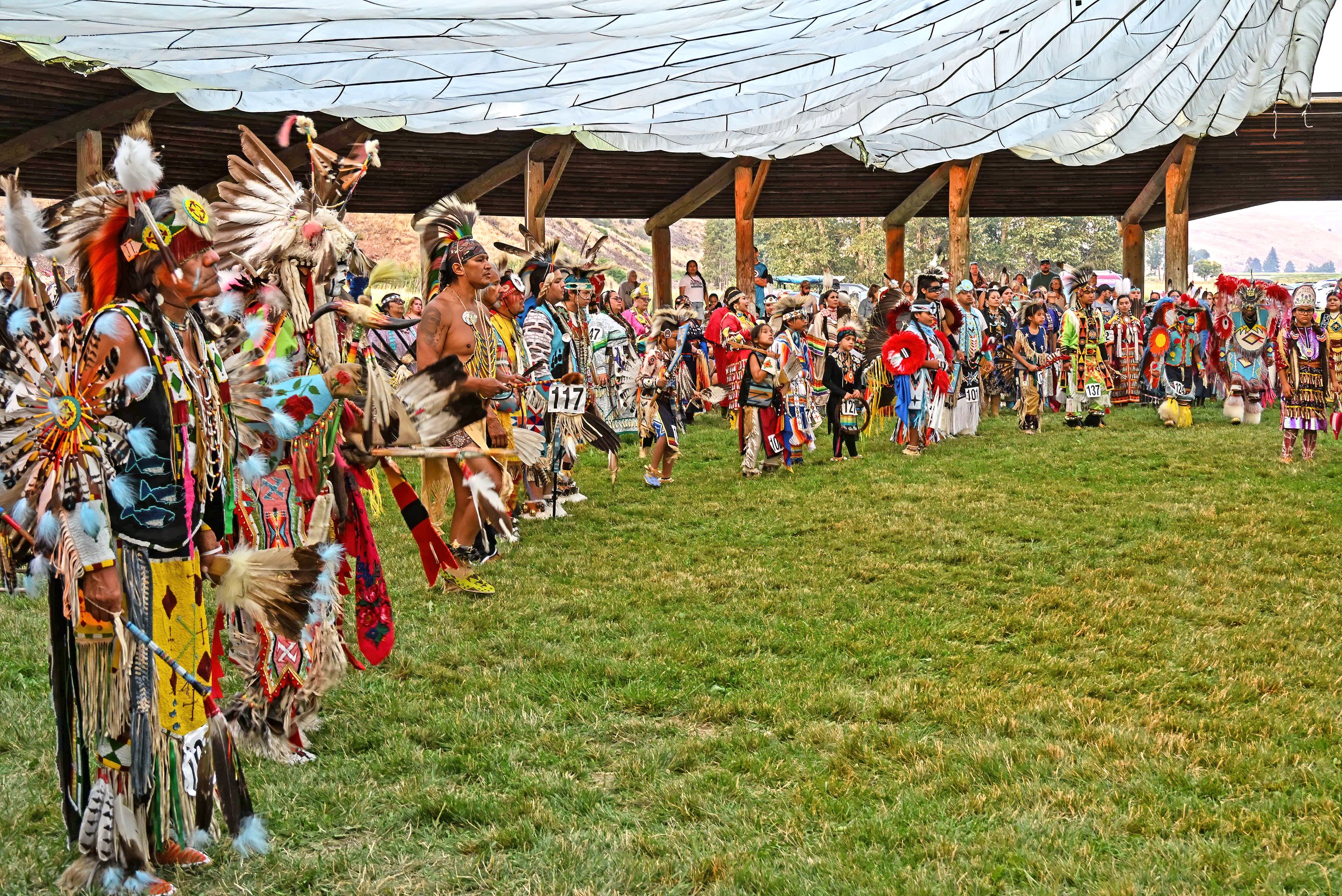
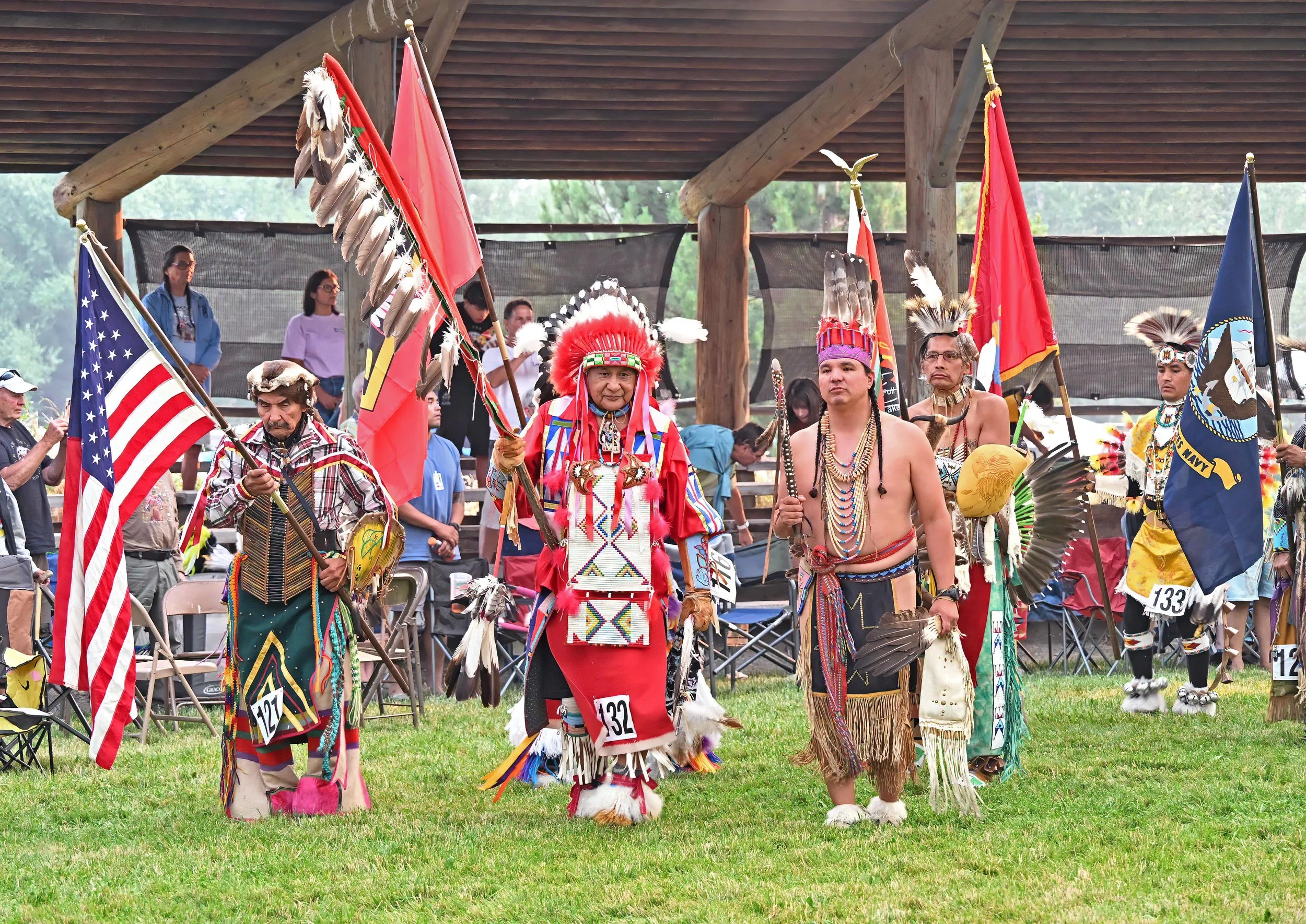
Each dance session begins with a Grand Entry, a procession of dancers. The Flag Bearers lead the procession carrying the Eagle Staff, American Flag, The Canadian Flag, and frequently, the MIA-POW Flag. Being a Flag Bearer is an honor usually given to a veteran, a respected traditional dancer, or a traditional elder. Everyone is asked to stand during the Grand Entry and men should remove their head coverings unless it has an eagle feather. After all the dancers are in the Arbor, a flag song is sung to honor the Eagle Staff and flags. Then a respected person, usually an elder, offers a prayer. This is followed by a victory song during which the Eagle Staff and flags are placed in their standards.
While the dancers are competing with one another, they are also in contest with the drummers and singers. A drum group may sing a trick song with many surprise stops. The best dancers know the songs, and dance closely to the beat to hit every drum stop. Judges look for dancers to reflect their own personal style as well as their ability to carry on traditions that go with specific songs or dances. The dancers will be evaluated for footwork, rhythm, agility, and demeanor. Regalia should be appropriate and reflect care and maintenance. A dancer may be disqualified or disqualify him\herself if an article of regalia fall off. Dancers follow directions from the Whipman & Whipwoman.
-
Eagles and eagle feathers are revered by many tribes of this continent because of the bird’s characteristics, abilities and closeness to the Creator. Eagle feathers are a symbol of honor and good medicine. When an eagle feather or fluff is on the ground, all other proceedings cease until a veteran ceremonially retrieves the feather. The feather symbolizes a fallen warrior.
-
Everyone can join in this dance of friendship. The circle of dancers moves to the lift in the clockwise direction and three circle dance songs will be sung in succession. Variations of this nearly universal Native American social dance include the Oklahoma two-step, the rabbit dance, the owl dance, the serpentine, and the Indian square dance (in a circle) which mimics pioneer square dance moves to tribal songs.
-
Dancers typically wear a breechcloth, moccasins, feather bustle, a porcupine and deer hair roach with a spreader in the middle made of bone, rawhide or leather in which roach feathers are mounted. Dancers compete to special songs. In the Crow Hop, dancers’ feet make slow deliberate moves to the beat, imitating a crow hopping. Actions in the Sneak Up illustrate events in war or hunting such as tracking enemies or game. In the Duck and Dive, the hard drumbeats represent cannon fire and dancers duck in unison to avoid being hit. The best dancers are light on their feet regardless of size and weight, match the drum with every move, bend close to the ground and use the whole body to dance.
-
Extremely colorful beadwork, elaborate feather bustles, ribbons, scarves, horsehair tips, angora bands, sheep bells, a roach headdress and dance sticks all punctuate the most spectacular display of dance stunts and movements in this very fast paced contest that began in the 1950’s. After WWII, Korea, and the federal Indian Relocation policy that moved Indians to urban centers for jobs, many pan-Indian powwows sprang up across the U.S., and so did this dance. Drummers may orchestrate many quick stops in a song to test the dancers and to highlight the dancers’ athletic abilities.
-
Wearing lots of fringe (representing tall blades of prairie grass), a porcupine and deer hair roach and no bustle, this dance was popularized by Northern Plains peoples where tall prairie grasses needed to be flattened for encampments or gatherings. Moves show how they would gracefully bend, fold, and weave greases to an even surface, and dancers’ ribbons and yarn sway as grasses would.
-
Wearing a cloth fitted dress with ribbon and appliqué and complementing shawl with long fringe, leggings, cuffs, moccasins, hair ties, choker, and earrings, this dance imitates the rapid and fluid movements of butterflies. The light spinning and jumping moves require athleticism & timing with the drum. Watch for complex footwork as well as poise, grace and agility.
-
Plateau Women’s dresses may be made of buckskin, wool, velvet, or dresses adorned with dentalia, cowry, or abalone shells, elk teeth, ribbon, seed and bugle beads as well as fringe on the sleeves and hem. Plateau dresses typically have shorter fringe and more flared skirts than plains dresses. Hand woven hats, headbands or beaded hair ornaments with feathers may be worn. In this category, two songs are typically sung in contests so that the females demonstrate both a slow and graceful straight style war dance and a circle dance. Historically, Plateau women did not war dance but would encircle the drum or dance area and keep time with the music standing in place gently bouncing or lightly swaying. In rare instances women who had committed deeds in combat such as taking the life of an enemy, rescuing others, or escaping from enemy captivity would join the men in the war dance. After WWII, as many women veterans returned from service in the armed forces it became more common to see women war dance. The dance exemplifies light-footedness, grace, modesty, and dignity with each song.
-
In 1920, after a medicine man’s granddaughter became ill, his spirit guides told him in a dream to make her a dress that would please the ear and have her dance in it to heal her. The dress is decorated with rolled up snuff can lids or baking powder lids hanging from ribbon. There are two styles of jingle dance – a slide step and straight.
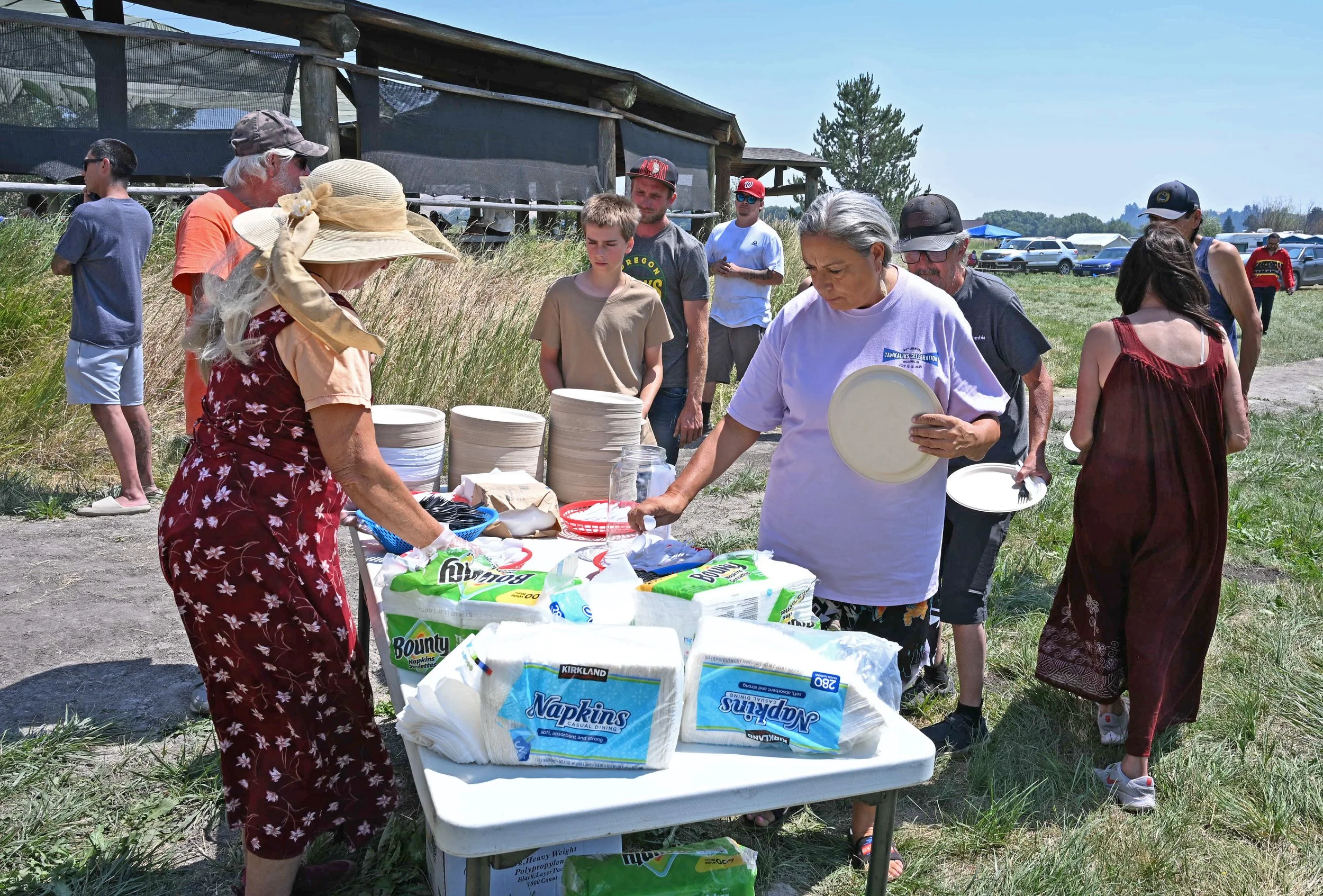
Want to Volunteer for Tamkaliks?
Tamkaliks has been powered by volunteers for over 30 years. The mission of welcoming Native people home depends on a strong volunteer base.
If you’d like to help, please email us at info@wallowanezperce.org with “I Want to Volunteer” in the subject line and let us know what days you’re available and if you have a preference for the type of work you’d like to do.
Camping & Parking at Tamkaliks
Camping at Tamkaliks is open to and free for everyone. Camp sites are available on a first-come, first-served basis. No registration is required.
Please note that many families have been coming to Tamkaliks for generations. While campsites are not reserved, we ask that campers be courteous and respectful if elders or families with a long history of camping in a particular area wish to return to those spaces.
Please do not camp in designated “parking areas” marked with multi-colored flagging.
Thank you for supporting the care of the Homeland during this celebration.